
Who actually needs to register
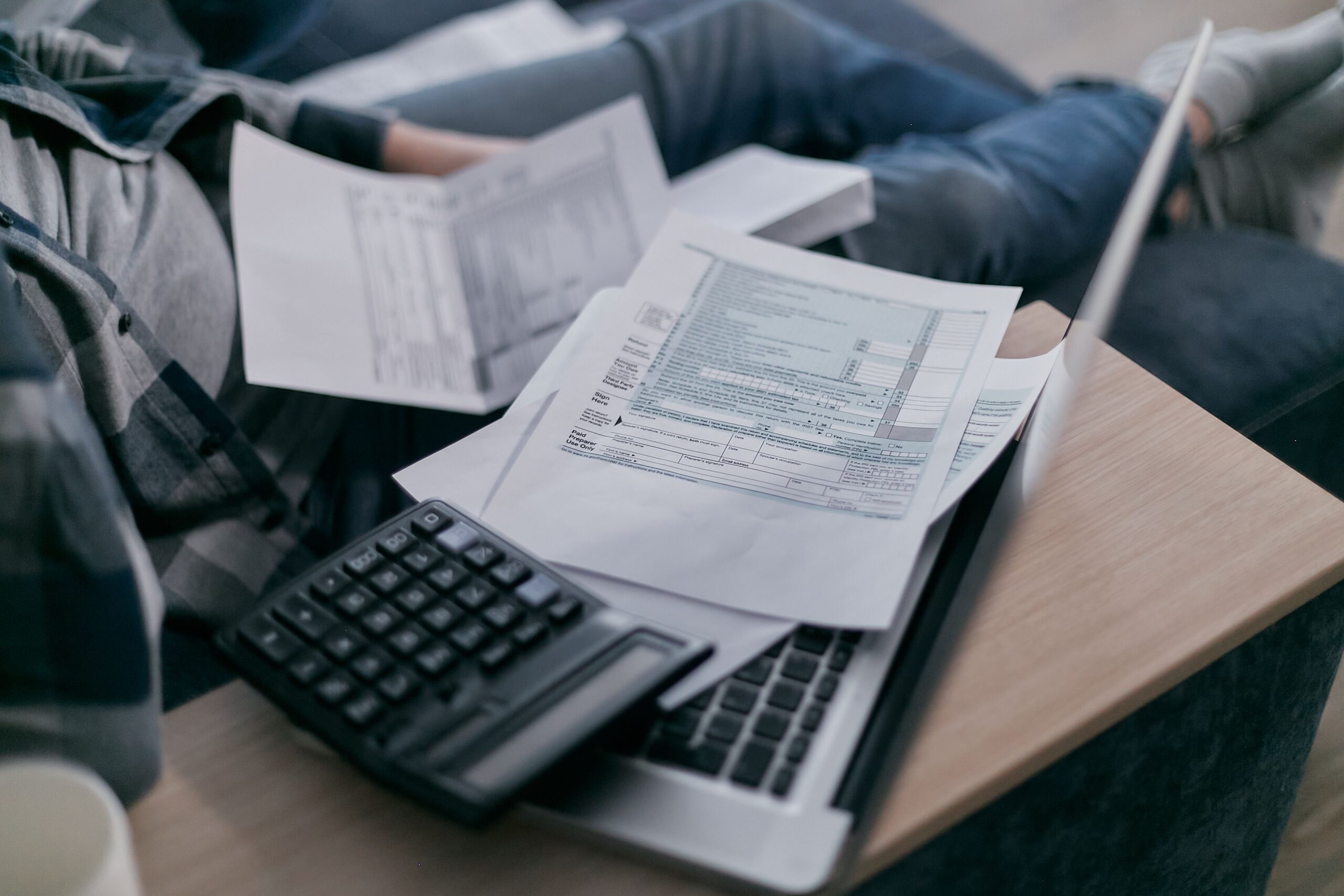
Registering as self-employed sounds like a formality, but it is the step that turns a side income into a recognised business in HMRC's eyes, and getting its timing wrong is one of the few mistakes that carries a penalty. The rule for the 2026/27 tax year is straightforward: if your gross self-employment income in a tax year (6 April to 5 April) is more than £1,000, you normally need to register for Self Assessment. Gross means what customers paid you before any costs — £1,200 of sales with £400 of materials still puts you over the line, because the £1,000 trading allowance is measured on gross income, not profit.
At or below £1,000 of gross trading income, the trading allowance generally means you do not need to register or file a return just because of that income. That is a useful shelter for a tiny starter, but it is not a reason to skip records: keep every sale and receipt from day one, because the moment you cross £1,000 — which a single good month can do — you will need the history. Two traps catch people out. First, if you already file Self Assessment for another reason, such as rental income or a high income child benefit charge, you must add your self-employment income to that return even if it is below £1,000. Second, if you also have employment income, the £1,000 allowance applies to your trading income, not to your total income, and your personal allowance is usually already used up by your job, so tax starts sooner than a full-time sole trader might expect.
Sole trader, partnership, or limited company?
Most home businesses start as sole traders, and for good reason: registration is free, there is no separate company to run, and you file one Self Assessment return a year. You are personally responsible for the business's debts, which matters if you take on large orders or employ staff, but for a service or craft business with modest costs that risk is usually manageable. A partnership is the same idea with two or more people: one partner registers the partnership, each partner registers individually, and profits are split as agreed. A limited company is a separate legal person, with its own tax return, accounts, and filing duties, and directors' responsibilities that go beyond Self Assessment. It can make sense at higher profits or where limited liability matters, but it is not the default starting point, and this walkthrough covers the sole trader route that most readers will take. If you are unsure, an accountant's one-off advice session is cheaper than unwinding the wrong structure later.
Step 1: Get your Government Gateway account and UTR
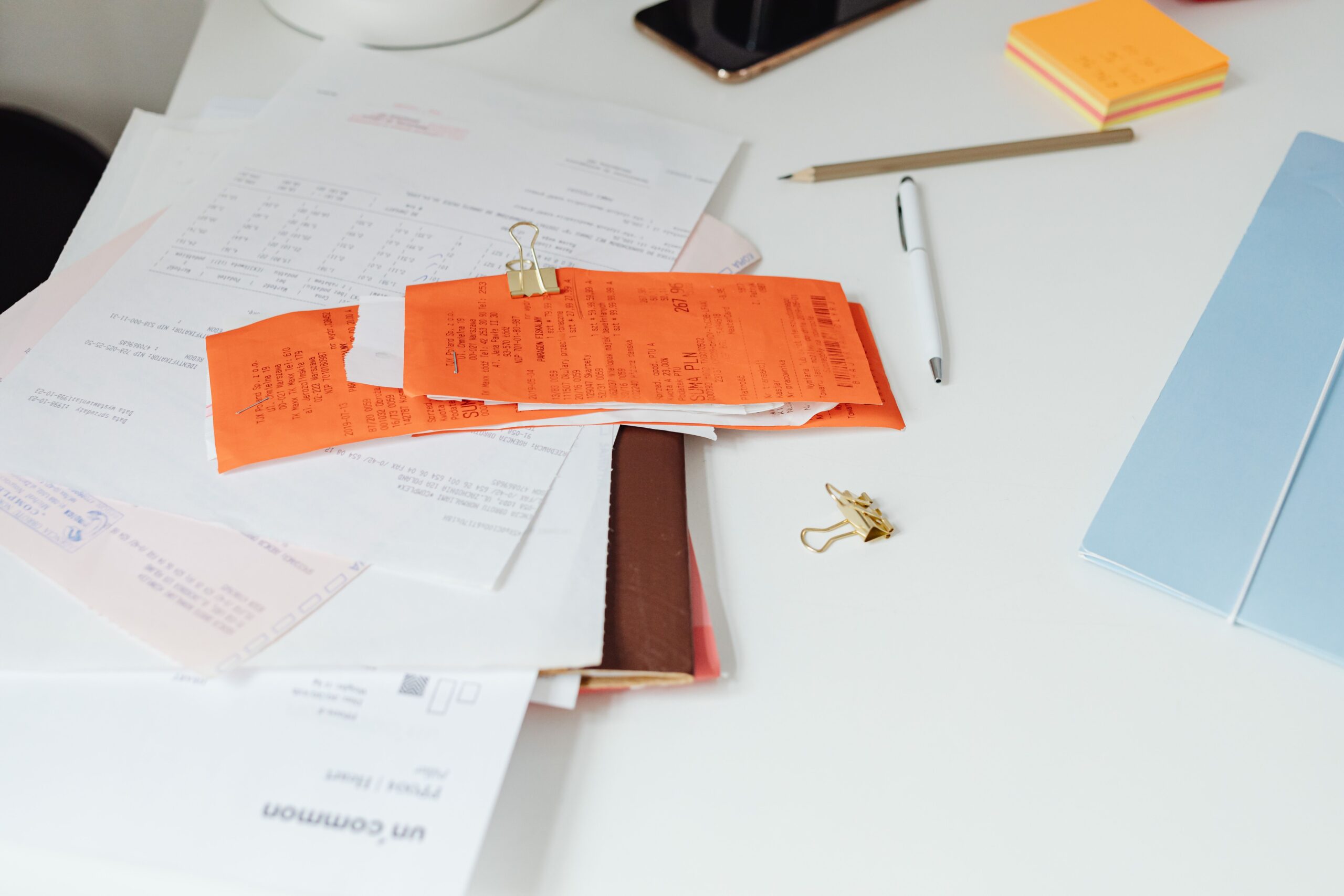
Registration happens online through GOV.UK, and it takes most people under half an hour of form-filling, plus waiting time for post. First, create or sign in to a Government Gateway account — the same login used for Personal Tax Account and other HMRC services. You will need your National Insurance number, and HMRC will verify your identity, usually with a passport or driving licence and a mobile phone. If you have filed a tax return before, you may already have a Unique Taxpayer Reference (UTR), a ten-digit number HMRC uses to identify you; if you have never filed, HMRC posts your UTR to you after registration, which can take up to ten working days, so do not leave registration until the week a deadline falls.

When you register, HMRC asks for your business details: the date you started trading, your business name (which for a sole trader can simply be your own name), your business address, and a description of what you do. The start date matters because it fixes which tax year your first return covers. If you started trading in July 2026, your first tax year is 2026/27, ending 5 April 2027. Be accurate rather than tidy: backdating a start date to a round month can create a mismatch with your first invoices and bank statements. Once registered, HMRC sends you a notice to file, and you will need your UTR and Government Gateway login every year to file — keep both somewhere safe and separate from your tax records.
Step 2: Know your deadlines before you earn your first pound
Self Assessment deadlines are fixed, and missing them costs money even if no tax is due. The key dates for a sole trader are: 5 October following the end of the tax year in which you started trading, to register for Self Assessment; 31 October for a paper return, which most people no longer use; 31 January following the end of the tax year, to file online and pay the tax due; and 31 July, for the second payment on account if you make payments on account. Worked through for a July 2026 starter: register by 5 October 2027, file the 2026/27 return and pay by 31 January 2028. If you started in January 2026, your first tax year is 2025/26, so registration was due by 5 October 2026 and filing by 31 January 2027 — a much shorter runway, which is why January starters need to register promptly.
Payments on account catch many second-year sole traders by surprise. If your tax bill is over £1,000, HMRC usually asks you to pay in two instalments towards the next year's bill: half by 31 January and half by 31 July, each based on the previous year's bill. That means your second January bill can be roughly one and a half times your first year's tax. It is not an extra tax — it is an advance on the next year — but cash flow needs to allow for it. Setting aside money as you earn is the practical defence, and the next section explains how much.
Step 3: What you will pay — income tax and National Insurance
As a sole trader you pay Income Tax and National Insurance on profit, not on turnover. Profit is turnover minus allowable business expenses: materials, platform fees, insurance, software, phone and internet used for business, travel, and a reasonable share of home costs for the room you work in. Keep receipts for all of them, because HMRC can ask to see records for several years after a return, and an expense without evidence is hard to defend.
For 2026/27 in England, Wales, and Northern Ireland, the headline figures are: a personal allowance of £12,570, meaning the first £12,570 of income is free of Income Tax (reduced by £1 for every £2 of income over £100,000, disappearing entirely at £125,140); a basic rate of 20% on income from £12,571 to £50,270; a higher rate of 40% above that; and an additional rate of 45% above £125,140. Scotland sets its own Income Tax rates and bands, so Scottish readers should check the Scottish rates rather than using these figures. National Insurance for the self-employed in 2026/27 is Class 4 at 6% on profits between £12,570 and £50,270, and 2% on profits above £50,270. Class 2 National Insurance is no longer a compulsory charge: if your profits are £7,105 or more, Class 2 is treated as paid, protecting your State Pension record at no cost, and if profits are below £7,105 you can choose to pay voluntary Class 2 at £3.65 a week to protect your record.
A worked example makes the combined bill concrete. A sole trader with £30,000 of profit and no other income in 2026/27: Income Tax is 20% of £17,430 (£30,000 minus the £12,570 allowance), which is £3,486; Class 4 National Insurance is 6% of the same £17,430, which is £1,045.80; the total is roughly £4,532, or about 15% of profit. That is why the common advice to set aside 20–30% of profit for tax is sensible: it covers the bill plus a buffer for payments on account, and it leaves room for the fact that a second income, such as a part-time job, uses up the personal allowance first and pushes more profit into tax.
Step 4: Records, expenses, and Making Tax Digital
Good records are not bureaucracy for its own sake; they are what turns a tax return from a guess into a defensible document, and they are what lets you claim every allowable expense. At minimum, keep: every invoice and sales record, every expense receipt, bank statements for the business account (a separate bank account is not legally required for a sole trader, but it makes records vastly easier), and a simple log of business mileage and home-working hours if you claim those costs. HMRC generally expects you to keep records for at least five years after the filing deadline for the relevant year, and digital copies are acceptable if they are complete and readable.
From April 2026, Making Tax Digital for Income Tax applies to sole traders and landlords with qualifying income over £50,000: they must keep digital records and send quarterly updates to HMRC using compatible software, plus a final declaration. The threshold is scheduled to fall to £30,000 from April 2027 and £20,000 from April 2028, so even a smaller business should expect to be in scope within a few years. If you are over the threshold now, choose software before your first quarterly update is due; if you are below it, using simple compatible software from the start is still the easiest way to be ready, and it makes the annual return much less painful than a shoebox of receipts.
Step 5: VAT, employing help, and other registrations
VAT registration is separate from Self Assessment, and most starters do not need it: you must register only if your taxable turnover passes £90,000 in a rolling 12-month period, or you expect it to pass that threshold in the next 30 days. Voluntary registration is possible below the threshold, and can make sense if your clients are VAT-registered businesses, but it adds quarterly returns and changes your pricing, so take advice before volunteering. If you employ anyone, you must register as an employer with HMRC and run PAYE, and employers' liability insurance becomes a legal requirement. If you handle clients' personal data, check whether you need to pay the ICO data protection fee. Each of these is a small registration in itself, but none of them replaces the core Self Assessment registration — that is the one every sole trader needs.
Common mistakes and how to avoid them
The mistakes HMRC sees most often from new sole traders are all avoidable. Registering late is the first: diarise the 5 October deadline in the month you start, not the month it falls due. Mixing personal and business money is the second: a separate bank account, even a free one, makes the return and any enquiry far simpler. Forgetting payments on account is the third: when your first January bill arrives, check whether a payment on account is included and budget for July. Claiming expenses you cannot evidence is the fourth: if there is no receipt, no invoice, and no log, do not claim it. And treating the trading allowance as a profit threshold is the fifth: it is measured on gross income, so a high-turnover, low-margin business can cross it while barely making a profit, and still need to register.
FAQ
When do I need to register as self-employed with HMRC?
If your gross self-employment income in a tax year is more than £1,000, you normally register for Self Assessment by 5 October following the end of that tax year. At or below £1,000, the trading allowance generally means there is nothing to register, but keep records from day one.
How long does HMRC registration take?
The online form takes under half an hour for most people. Your UTR arrives by post and can take up to ten working days, so register well before any deadline rather than in the deadline week.
What is a UTR and where do I find it?
Your Unique Taxpayer Reference is a ten-digit number HMRC issues when you register for Self Assessment. It appears on HMRC letters and in your Personal Tax Account, and you need it to file every year.
Do I pay National Insurance as well as Income Tax?
Yes. In 2026/27, Class 4 National Insurance is 6% on profits between £12,570 and £50,270, and 2% above that. Class 2 is treated as paid if profits are £7,105 or more, and voluntary at £3.65 a week below that threshold.
What is Making Tax Digital for Income Tax?
From April 2026, sole traders with qualifying income over £50,000 must keep digital records and send quarterly updates to HMRC using compatible software. The threshold falls to £30,000 from April 2027 and £20,000 from April 2028.
Do I need to register for VAT as a sole trader?
Only if taxable turnover passes £90,000 in a rolling 12-month period, or is expected to in the next 30 days. Below that, registration is voluntary and should be weighed against the extra returns and pricing changes.
Related reading
- How Much Can You Earn From a Home Business UK? Realistic Figures
- Selling Crafts From Home UK: Etsy, Insurance and Tax Basics
- Do You Need a Licence to Run a Business From Home UK? Council Rules
- Self-Assessment Tax for Home Businesses: Deadlines and Deductions
- Record Keeping for Self-Employed UK: What HMRC Expects