
Why crafts suit home working — and where sellers get caught out
Selling handmade crafts from home is one of the most accessible UK businesses to start. The workshop is a spare room or a kitchen table, startup costs are low, and marketplaces such as Etsy bring buyers to you — removing the hardest part of starting out, which is finding customers.
The catch is that craft sellers are more likely than most home-business owners to trip over rules they never knew existed. A toy sold without the right safety marking, a candle without the correct label, or a year's sales never declared to HMRC can each cause real trouble, even for a tiny shop. This guide covers the setup that prevents that: where to sell, what Etsy costs, the tax basics, insurance, and the product rules that depend on what you make. It is general information, not legal or tax advice.
Where to sell
Etsy is the obvious starting point because buyers already go there looking for handmade goods, so you do not need to build traffic from scratch. The price of that reach is fees on every sale and limited control: Etsy sets the rules and can change fees. Your own website keeps more of each sale and lets you build a mailing list of repeat buyers, but nobody arrives by accident — you bring the traffic yourself. The sensible sequence is Etsy first to learn what sells, then your own shop alongside it for repeat customers.
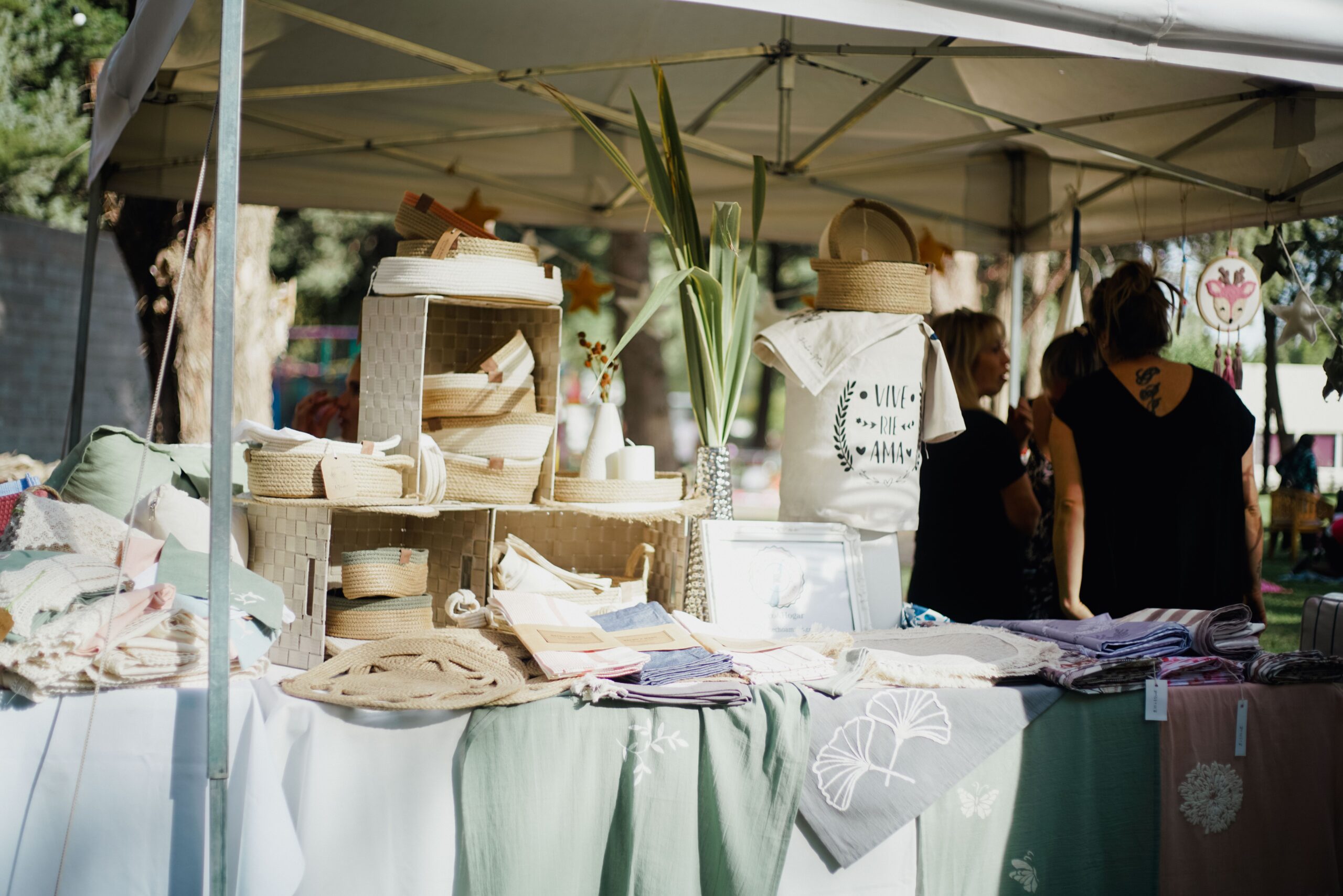
Craft fairs and markets give you what no listing can: watching a customer pick up your product and hearing what price makes them hesitate. Organisers commonly ask for proof of public and product liability insurance before you can take a stall, and a public market may require a market stall or street trading licence from the council. Trading Standards officers visit fairs too, so the product rules below apply on a stall just as much as online.
What Etsy actually costs
Etsy fees are the most common reason new sellers underprice their work. The listing fee looks tiny, but several percentage fees stack on the same order, charged on the total the buyer pays, including postage. Published UK fee guides for 2026 give these core rates for a UK seller using Etsy Payments: a $0.20 listing fee (roughly £0.15–£0.16), charged when you list, again every four months on auto-renewal, and again per sale from a multi-quantity listing; a 6.5% transaction fee on the total order including postage and gift wrapping; a 4% + £0.20 payment processing fee; a regulatory operating fee of 0.48% in the UK (some guides still show the earlier 0.32% — see the verification note); and 20% VAT on Etsy's fees themselves for sellers who are not VAT-registered, an extra cost many fee calculators omit. Two optional costs can dwarf these: Offsite Ads at 12% or 15% of an attributed sale, compulsory once your shop passes $10,000 in sales in a year, and Etsy Ads on a daily budget you set. Treat both as experiments with a strict budget.
A published worked example makes the stack concrete. Sell a cushion cover for £20 plus £3 postage, a £23 order: listing £0.15, transaction fee £1.50, payment processing £1.12, regulatory fee £0.11 — £2.88 in Etsy fees, before materials, packaging, postage, your time, and VAT on the fees. On low-value items the fixed parts bite hardest, which is why pricing something at £5 or less rarely works once every cost is counted. Re-check current rates in your own Shop Manager before setting prices, because Etsy changes fees with notice.
Tax basics for craft sellers
Making and selling goods regularly with a view to making a profit is trading, even if it started as a hobby and even if you also have a job. Selling your own unwanted belongings from time to time is not trading; buying materials, making products, and selling them repeatedly is.
If your gross trading income in a tax year (6 April to 5 April) is £1,000 or less, the trading allowance generally means you do not need to register for Self Assessment or file a return just because of that income. Gross means what customers paid, before costs — £1,200 of Etsy sales with £400 of materials still puts you over the line. Once gross income passes £1,000, you normally register for Self Assessment by 5 October following the end of that tax year, and file and pay by the following 31 January. Within Self Assessment you generally choose between deducting the £1,000 allowance or your actual allowable expenses, whichever gives the lower taxable amount — not both. Keep records from the first sale: every sale, fee, materials receipt, and postage cost.
Since 2024, platforms including Etsy must report seller details to HMRC once a seller makes 30 or more sales, or earns around €2,000 (roughly £1,700) or more, in a calendar year. That is a reporting rule, not a new tax — but trading income above the allowance is visible to HMRC whether or not you declare it. Most craft sellers start as sole traders: HMRC registration is free, and you file a Self Assessment return each year, paying Income Tax and National Insurance on profit. You must register for VAT only if taxable turnover passes £90,000 in a rolling 12-month period.
Insurance: not legally required online, but unwise to skip
No law requires insurance before selling crafts online on a marketplace such as Etsy. That is technically reassuring and practically misleading, because the risks do not disappear just because no law forces you to insure against them. The cover that matters is public and product liability insurance: public liability covers claims if someone is injured or their property damaged because of your business, and product liability covers claims arising from something you sold — a skin reaction to a body lotion, a child hurt by a toy, a candle causing damage. As the seller, you are the first point of call if something goes wrong, even if a supplier provided the materials.
Published guides put basic public and product liability cover for small sellers roughly in the £150–£600 a year range, while specialist craft insurers advertise cover from around £59–£69 a year for standard limits. Treat both as starting points for quotes, not price promises. Fair organisers commonly require proof of cover with limits of £5 million or £10 million, so if fairs are part of your plan, insurance is effectively compulsory. Also tell your home insurer you run a business from home — a standard home policy may not cover business stock or equipment. If you employ anyone, even part-time help at a fair, employers' liability insurance becomes a legal requirement, with a minimum cover of £5 million.
Product rules: they depend on what you make
There is no single "craft licence" in the UK. Different products carry different rules, and these are the ones that most often catch sellers out. When in doubt, check the Business Companion guides produced by Trading Standards before listing a new product type.
Toys are the most regulated and most enforced category. Under the Toys (Safety) Regulations 2011, a toy is a product designed or intended for use in play by children under 14. Every new toy supplied in the course of a business must carry the UKCA mark (a CE mark is also recognised for the Great Britain market), your name and address as manufacturer, a type, batch, serial or model number, and required age warnings — for example, toys unsuitable for children under three need a warning giving the reason, such as a choking hazard. Behind the label you need safety testing to the EN71 standards, a technical file kept for 10 years, and a signed Declaration of Conformity. One specialist guide puts a first self-certified product at roughly £50–£100 plus a few days of focused work, but verify current requirements before relying on that single-source figure. "Placing on the market" includes displaying a toy on a craft fair stall, not just selling online.
Candles, wax melts, and cosmetics are where new sellers most often list first and research later, because the products look simple. Candles and wax melts are chemical products, and their labels must carry the correct hazard information for the fragrance and wax used. Cosmetics — soaps, bath products, skin creams — carry their own regime, including a safety assessment by a qualified assessor before sale. Do the labelling and assessment work before the listing goes live; specific requirements vary by product and ingredients, so check current Trading Standards guidance for your exact product. Everything else you sell must still be safe for its intended use, with accurate listings on materials, care, and warnings — and keep supplier invoices and material certificates as evidence.
Pricing your crafts so the business actually pays
The most common craft pricing mistake is charging for materials plus a little extra and treating your time as free. A price that covers materials, fees, packaging, and postage but pays you nothing per hour is a hobby subsidised by your own labour, not a business. Price from five elements: materials per item, including wastage; labour at a target hourly rate, including finishing, photographing, and packing, not just making; the full Etsy fee stack on the expected order total, plus packaging and postage actually paid; a share of overheads such as insurance and equipment; and a profit margin so the business can grow rather than merely break even.
If the resulting price is far above comparable items, change the product — simpler designs, batch production, or a higher-value item — rather than cutting your labour to zero. For first sales, aim for at least ten listings with clear, well-lit photographs, titles written the way buyers search, and honest descriptions stating size, materials, and care. Pack carefully, ship on time, and include a short thank-you note — but never offer incentives for positive reviews, which marketplaces prohibit.
FAQ
Do I need a licence to sell crafts from home in the UK?
There is no general licence for selling crafts. You need to register with HMRC once trading income passes the £1,000 allowance, hold appropriate insurance (effectively required for fairs), and comply with the product rules for what you make. Related activities such as selling food or alcohol do need licences or registration.
How much does Etsy charge per sale?
For a UK seller: a $0.20 listing fee, 6.5% of the total order including postage, 4% + £0.20 payment processing, and a regulatory operating fee (0.48% per the most recent guide checked, with some guides still showing 0.32%), plus 20% VAT on the fees if you are not VAT-registered. Offsite Ads add 12–15% on attributed sales. Verify current rates in Shop Manager before pricing.
When do I have to register with HMRC as a craft seller?
Once gross trading income in a tax year passes £1,000, you normally register for Self Assessment by 5 October following the end of that tax year. At or below £1,000, the trading allowance generally means there is nothing to report, but keep records from day one.
Can I sell handmade toys without UKCA marking?
No. Toys sold in the course of a business must carry the UKCA mark (or a recognised CE mark for Great Britain), your name and address, a batch number, and required warnings, backed by safety testing, a technical file, and a Declaration of Conformity. This applies at craft fairs as well as online.
Related reading
- How to Start a Dog Walking Business From Home UK: Costs and First Clients
- How to Start a Cleaning Business From Home UK: Step-by-Step
- Home-Based Bookkeeping Business UK: Qualifications and Pricing
- Do You Need a Licence to Run a Business From Home UK? Council Rules
- Home Business Insurance UK: What Cover You Actually Need