

The cover most home businesses actually need first
Most people who start a business from home buy insurance in the wrong order. They either buy nothing, assuming a home policy covers everything, or they buy a bundle they do not understand and hope it covers the one claim that actually happens. Neither approach works, because home business risk is not one risk. It is several different risks, and each one is covered by a different part of a policy — or not covered at all.
The short version is this: if your business touches the public, sells a product, gives advice, holds client property, or employs anyone, you need to think about cover for each of those exposures separately. If you work alone at a desk, sell nothing physical, and never meet a client in person, your needs are much smaller — but your home insurance still needs to know you work from home. This guide works through each type of cover in plain terms, with realistic cost ranges, so you can buy what fits your trade rather than a generic bundle. It is general information, not insurance advice, and policy wordings vary — read the one you are buying.
Start with the question insurers actually ask
Before any quote, an insurer wants to know four things, and your answers decide both price and whether a claim would be paid. First, what do you actually do — not your business category, but the real activities: do clients visit your home, do you visit theirs, do you sell products, do you give professional advice, do you handle other people's property or money? Second, where do you work: a spare room, a converted garage, a garden studio, or out at clients' premises? Third, who else is involved: employees, subcontractors, or just you? And fourth, what is your turnover, because many policies price and limit cover by it.

Answering vaguely is the most expensive mistake in this area. A policy sold on the basis that you are a "home-based consultant" may not respond if the claim comes from the dog grooming salon in your garage, or from a candle you sold at a market. If your business changes — you start selling products, take on staff, or begin seeing clients at home — tell your insurer at the time, not at renewal. A claim arising from an undisclosed activity is the classic reason a policy fails when it is needed most.
Public liability: the cover that matters if anyone can be hurt
Public liability insurance covers claims from members of the public — clients, visitors, delivery drivers, or passers-by — who are injured or whose property is damaged because of your business. A client trips over a cable in your home studio, a dog you are grooming nips a visitor, a cleaner knocks over an expensive vase in a client's home: these are public liability claims. For most trades that involve people or other people's property, this is the first cover to buy, and it is the one market organisers, councils, and larger clients most often ask to see proof of.
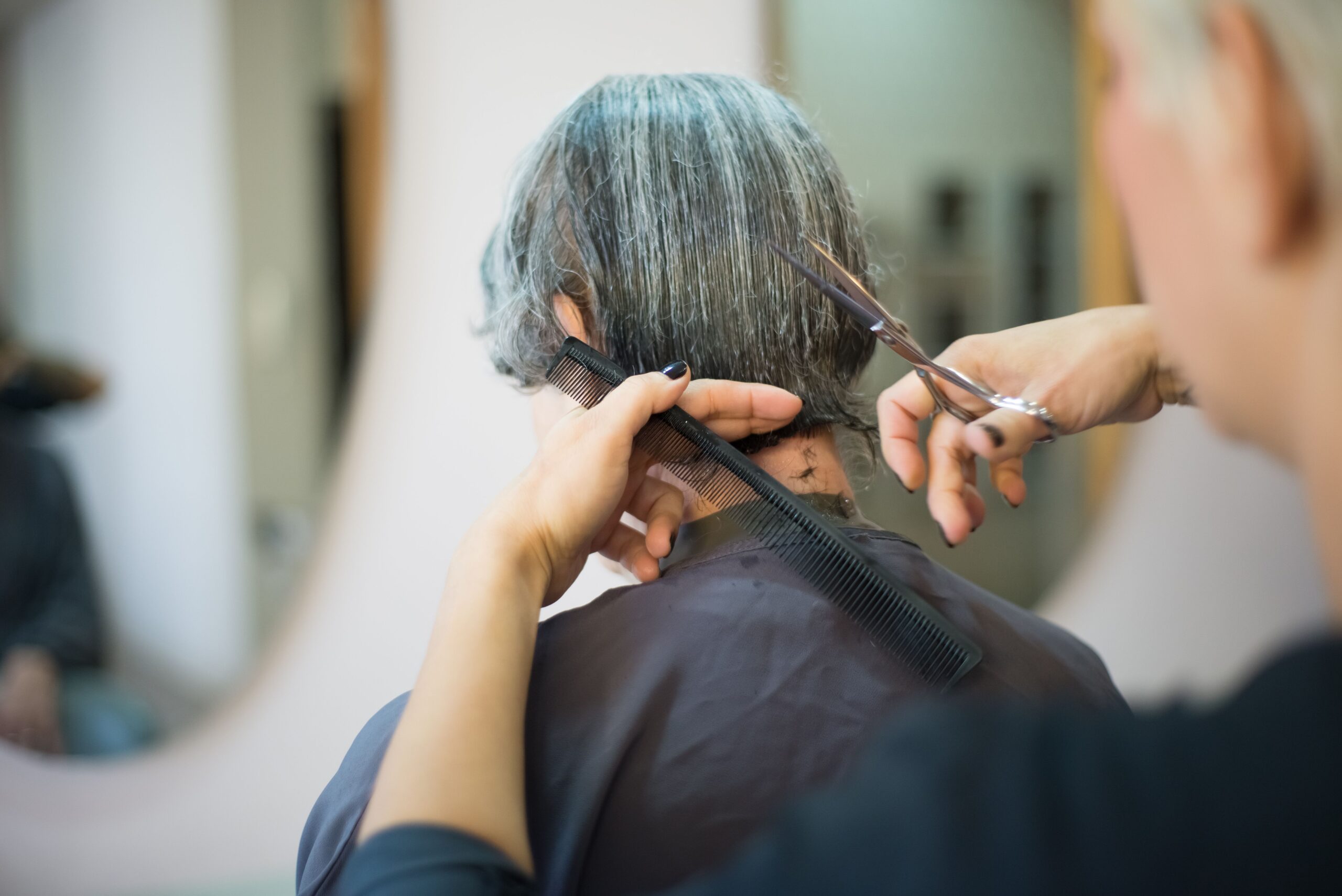
Cover limits are usually £1 million, £2 million, £5 million, or £10 million. The right limit depends on who you work for: a sole trader serving domestic clients may be fine at £1 million or £2 million, while fair organisers commonly require £5 million or £10 million, and corporate clients may set their own minimum in a contract. Published guides put basic public liability for a small home business roughly in the £100–£300 a year range, with combined public and product liability for craft sellers advertised from around £59–£69 a year at standard limits. Treat both as starting points for quotes, not price promises — your trade, turnover, and claims history move the price. Check whether the policy covers work at clients' premises as well as at your home, and whether it includes legal defence costs within or in addition to the limit.
Product liability: essential if you sell anything physical
Product liability covers claims arising from something you sold or supplied — a skin reaction to a handmade soap, a child hurt by a toy, a candle that causes fire damage, food that makes someone ill. It is often sold together with public liability, and for product businesses the two are effectively one purchase. The reason it matters so much for home sellers is that, as the seller, you are the first point of call when something goes wrong, even if a supplier provided the materials or ingredients. A supplier's insurance does not protect you unless you are named on it.
Two details are worth checking before you buy. First, does the policy cover all the product types you sell, or only the ones you listed at inception? A maker who adds candles to a soap range, or toys to a craft range, needs the new category covered. Second, what does the insurer require you to do to keep cover valid — for example, keeping supplier invoices, batch records, and safety assessments? Those records are also what Trading Standards expects, so good record-keeping serves two purposes at once. Product liability is not a substitute for making safe products: a policy will not rescue a business that knowingly sells an unsafe or non-compliant product.
Professional indemnity: for advice, design, and mistakes in work
Professional indemnity insurance covers claims that your professional work — advice, design, bookkeeping, consultancy, or a service delivered negligently — caused a client financial loss. A bookkeeper who makes an error that leads to a tax penalty, a virtual assistant who sends the wrong mailing list to a client, a designer whose artwork infringes someone's rights: these are professional indemnity claims, not public liability ones, and a public liability policy will not pay them.
Not every home business needs it. A cleaner or dog walker rarely does, unless they also give advice as part of the service. A bookkeeper, consultant, virtual assistant, tutor, or designer should treat it as a core purchase, and some clients and professional bodies require it. Limits are commonly £100,000 to £1 million or more, and the price varies widely by trade and turnover — published guides suggest roughly £100–£500 a year for small professional practices, but regulated or high-risk work costs more. Check whether the policy is "claims made" (it covers claims made during the policy period, so you need run-off cover after you stop trading) and whether it covers past work.
Your home insurance: the gap most people miss
A standard home buildings and contents policy is written for a private home, not a business premises, and running a business from home can create three gaps. First, business stock and equipment may not be covered, or may be covered only up to a low limit — a shelf of craft stock, a professional grooming table, or a laptop used only for business may fall outside the policy. Second, visitors coming to your home for business purposes may not be covered as they would be as social visitors, which is where a separate public liability policy matters. Third, some home policies exclude claims arising from business activities entirely, or treat undisclosed business use as a reason to decline a claim.
The fix is simple and cheap compared with the risk: tell your home insurer you run a business from home, describe what you do, and ask in writing what is and is not covered. Some insurers add business use at no extra cost for quiet desk work; others charge a small premium or impose conditions. If you have converted a garage or built a garden studio, make sure the building itself is covered — outbuildings and non-standard construction are common exclusions. Keep the insurer's written answer with your business records. If you rent, the same disclosure applies to your landlord, and if you have a mortgage, to your lender.
Employers' liability, vehicles, and the covers people forget
If you employ anyone — even one part-time helper, even a family member paid for regular help — employers' liability insurance is a legal requirement in most cases, with a minimum cover of £5 million, and you must display or make available the certificate. The exemption for a business where the only employee is a close family member applies narrowly, so do not assume it covers you. The fine for not having it can be £2,500 for every day you are uninsured, which is a strong reason to arrange cover before the first day of work, not after.
Other covers are trade-specific but easy to overlook. If you use your car for business — visiting clients, carrying stock, or driving dogs — tell your motor insurer: a social and commuting policy does not cover business use, and a claim while on a business trip can be declined. If you hold client property, such as dogs in your care or equipment left for repair, check whether your policy covers damage to property in your custody, or whether you need a specific extension. If your income depends on you personally, income protection or critical illness cover is worth considering separately — business insurance replaces a client's loss, not your lost earnings when you are ill.
How to buy: brokers, comparison, and the wording check
For a straightforward home business, you have three routes: a direct online policy from a small-business insurer, a broker who specialises in your trade, or a comparison site. Direct policies are cheapest for standard risks; a broker earns their fee when your trade is unusual, when you need several covers combined, or when a claim is disputed. Whichever route you take, buy on the wording, not just the price. Before you pay, check five things: the activities and products actually covered; the exclusions, especially around home working, client visits, and product types; the excess you would pay on a claim; whether legal costs sit inside or outside the limit; and the conditions you must meet, such as record-keeping, qualifications, or safety checks.
Get quotes from at least two providers, keep the quote documents, and set a renewal diary note. At renewal, update the insurer on any change — new products, higher turnover, staff, or a move to client visits at home. A policy that was right last year and wrong this year is the most common way a home business ends up uninsured for the claim that matters.
FAQ
Do I legally need insurance to run a business from home in the UK?
For most sole traders there is no general legal requirement to hold business insurance. The exceptions are employers' liability if you employ staff, and motor insurance for business use of a vehicle. In practice, market organisers, councils, and larger clients often require public liability cover, and product sellers face claims whether or not insurance was compulsory.
Does my home insurance cover my home business?
Usually not fully. Standard home policies may exclude business stock and equipment, business visitors, and claims arising from business activities. Tell your home insurer you work from home and get their answer in writing — some add quiet desk work at no extra cost, others charge or impose conditions.
How much does home business insurance cost in the UK?
It varies widely by trade and turnover. Published guides put basic public liability roughly at £100–£300 a year, and combined public and product liability for craft sellers is advertised from around £59–£69 a year. Professional indemnity for small practices is often roughly £100–£500 a year. These are starting points for quotes, not fixed prices.
What is the difference between public liability and professional indemnity?
Public liability covers injury or property damage to members of the public caused by your business. Professional indemnity covers financial loss caused by negligent professional work, advice, or mistakes in a service. A bookkeeping error is a professional indemnity claim; a client tripping in your studio is a public liability claim.
Do I need employers' liability insurance for one part-time helper?
In most cases, yes, if you employ anyone — even part-time. The minimum cover is £5 million, and the fine for being uninsured can be £2,500 per day. Check the narrow family-member exemption rather than assuming it applies.
Related reading
- Selling Crafts From Home UK: Etsy, Insurance and Tax Basics
- Do You Need a Licence to Run a Business From Home UK? Council Rules
- How to Start a Dog Walking Business From Home UK: Costs and First Clients
- Home-Based Bookkeeping Business UK: Qualifications and Pricing
- Dog Grooming Business From Home UK: Setup and Costs
- Virtual Assistant Business UK: Starting Guide